
14 College Outfit Ideas to Keep You Comfortable and Stylish
Going to college is more than attending classes. It’s a place where personal style meets daily practicality. Choosing outfits that are comfortable yet fashionable can boost confidence and help you feel ready for whatever the day brings. College life demands versatility—your outfits should work for long lectures, campus events, and study sessions without compromising comfort. Here are fourteen college outfit ideas that balance style and practicality, suitable for a range of body types, climates, and personal preferences.
1: Casual Comfort for Everyday Classes

For many students, the day starts with back-to-back classes. The key is clothing that moves with you and doesn’t require constant adjustment. Simple jeans paired with a soft cotton t-shirt can create a foundation for countless looks. Layering with a lightweight cardigan or jacket allows you to adapt to fluctuating classroom temperatures. Sneakers or loafers provide support and keep you on your feet for long hours.
Accessories such as minimal jewelry or a functional backpack complete the look without adding bulk. This outfit proves that practicality doesn’t have to come at the expense of style. Choosing neutral tones like black, white, or denim blue gives you flexibility to mix and match across multiple days.
2: Athleisure for a Busy Campus Life
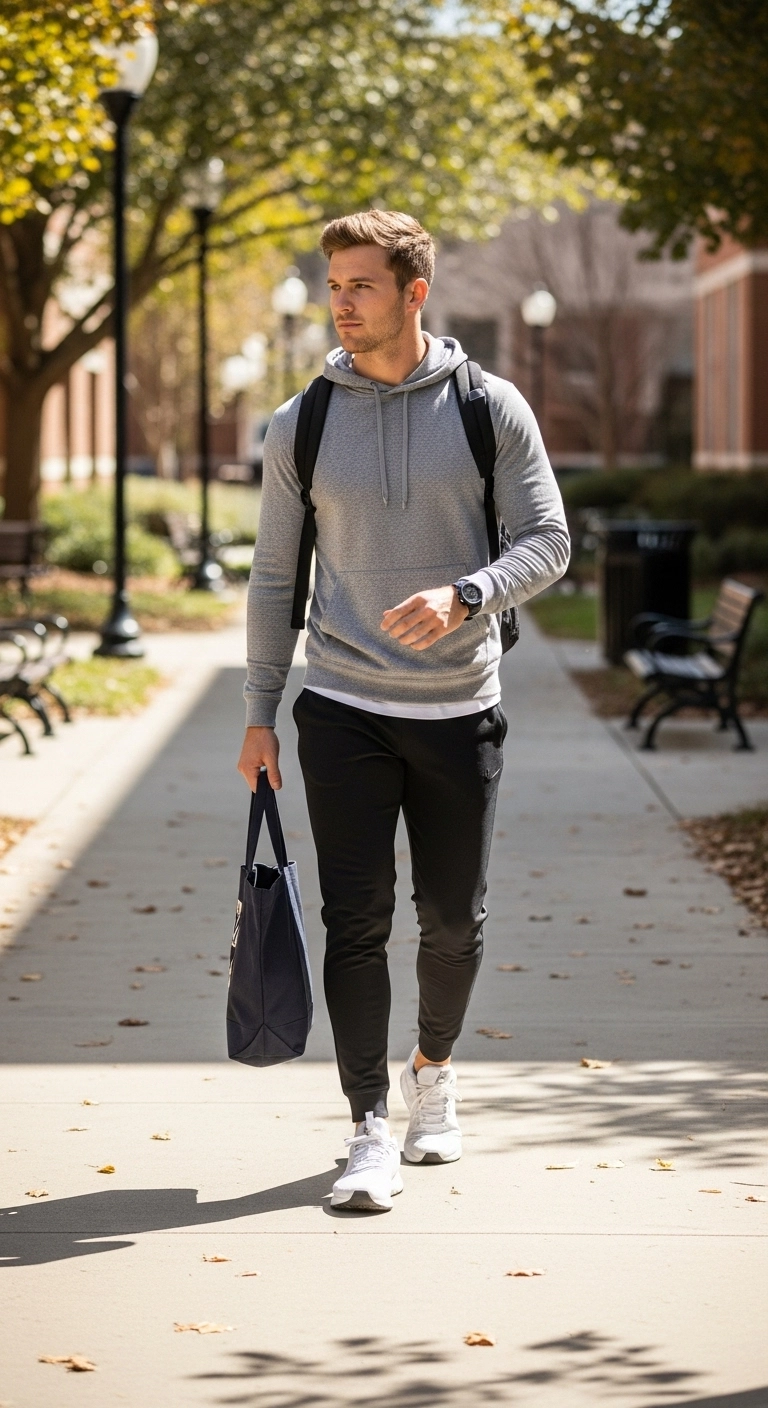
Athleisure is no longer just for the gym; it has become a college staple. Leggings, joggers, or stretchy pants combined with fitted hoodies or sweatshirts provide unmatched comfort while looking put together. Pairing athletic sneakers with this outfit ensures readiness for impromptu walks across campus.
This style is particularly beneficial for students who move between classrooms, libraries, and campus facilities. Adding a baseball cap or a practical tote bag can elevate the outfit while maintaining a sporty vibe. Fabrics like cotton blends or moisture-wicking materials keep you comfortable during long hours on the move.
3: Smart-Casual for Presentations

There are days when casual clothing won’t suffice. Presentations, meetings, or networking events call for outfits that are polished yet approachable. Pairing tailored trousers with a button-down shirt or blouse offers a professional look without feeling stiff. Simple flats or loafers provide a clean finish while remaining practical for campus walks.
Layering a blazer over this combination can instantly elevate the outfit and provide warmth in colder classrooms. The focus here is balance: structured pieces for credibility and soft fabrics for comfort. Neutral or muted colors allow the outfit to stay versatile for different occasions throughout the semester.
4: Denim and Layering for Versatility
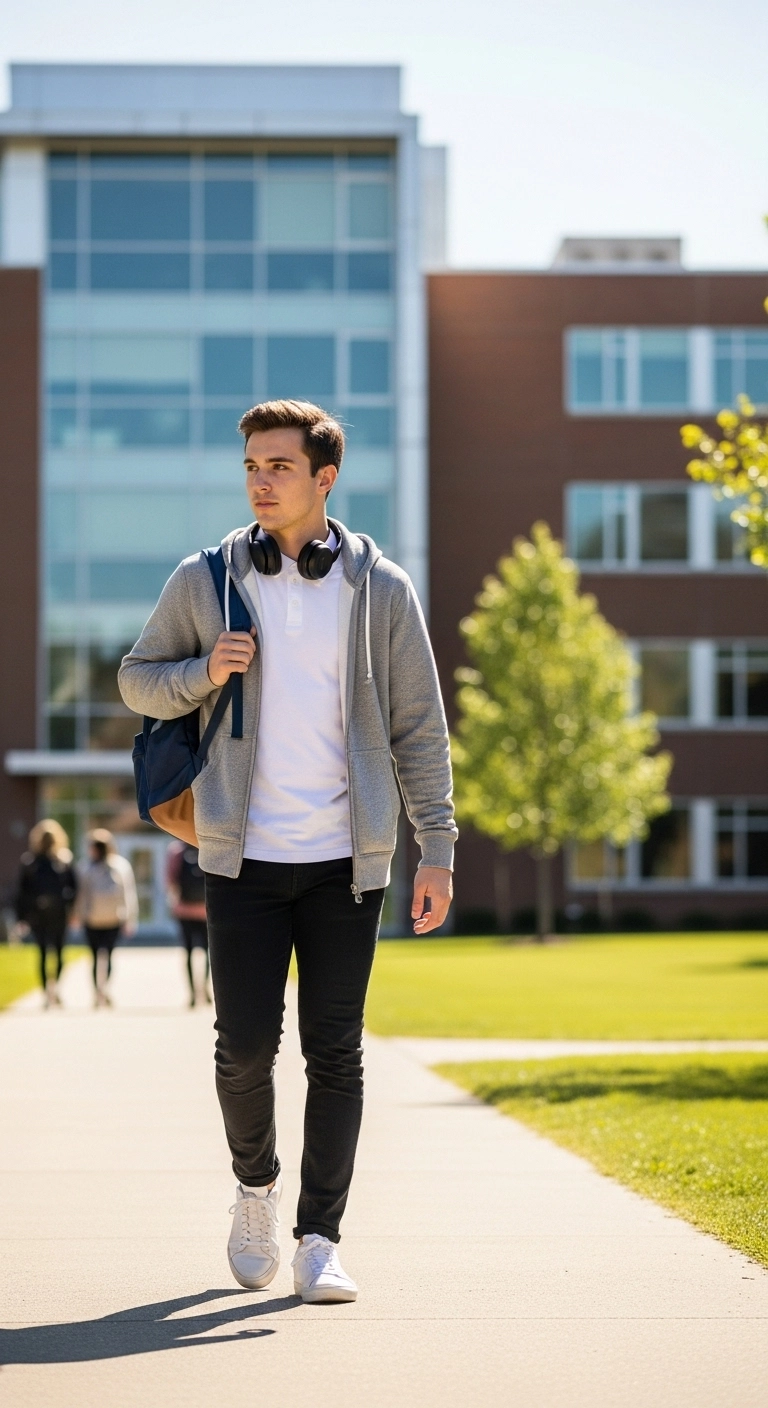
Denim is a timeless choice in college wardrobes. Pairing jeans with different tops and layers creates endless outfit combinations. A basic t-shirt tucked into high-waist jeans can be transformed with a denim jacket or flannel shirt layered on top. This approach works well for varying weather conditions, allowing you to adjust layers without compromising style.
Footwear like ankle boots or clean sneakers can shift the tone from casual to slightly refined. This outfit idea emphasizes flexibility and encourages students to experiment with layering textures, colors, and patterns for personal expression.
5: Skirts and Comfort for Warmer Days
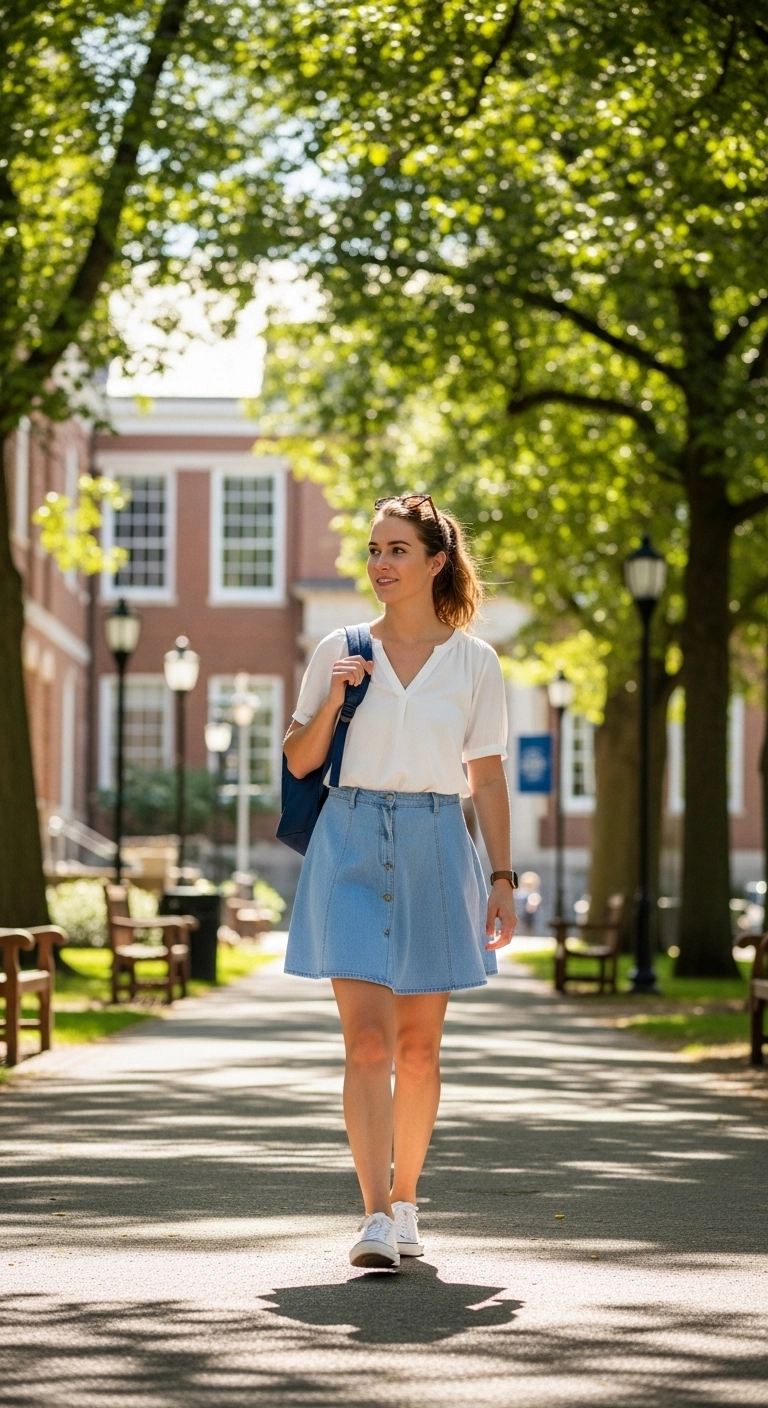
When temperatures rise, skirts offer comfort and style without sacrificing mobility. A-line or midi skirts paired with simple tops create a relaxed yet fashionable look. Choosing fabrics like cotton, linen, or soft jersey ensures breathability.
Footwear such as sandals, sneakers, or ballet flats can make the outfit versatile for both outdoor and indoor activities. Adding a lightweight cardigan or denim jacket provides adaptability for classrooms or study spaces with air conditioning. Skirts also allow students to explore prints and subtle color contrasts that enhance personality while remaining school-appropriate.
6: Cozy Sweaters for Layered Style
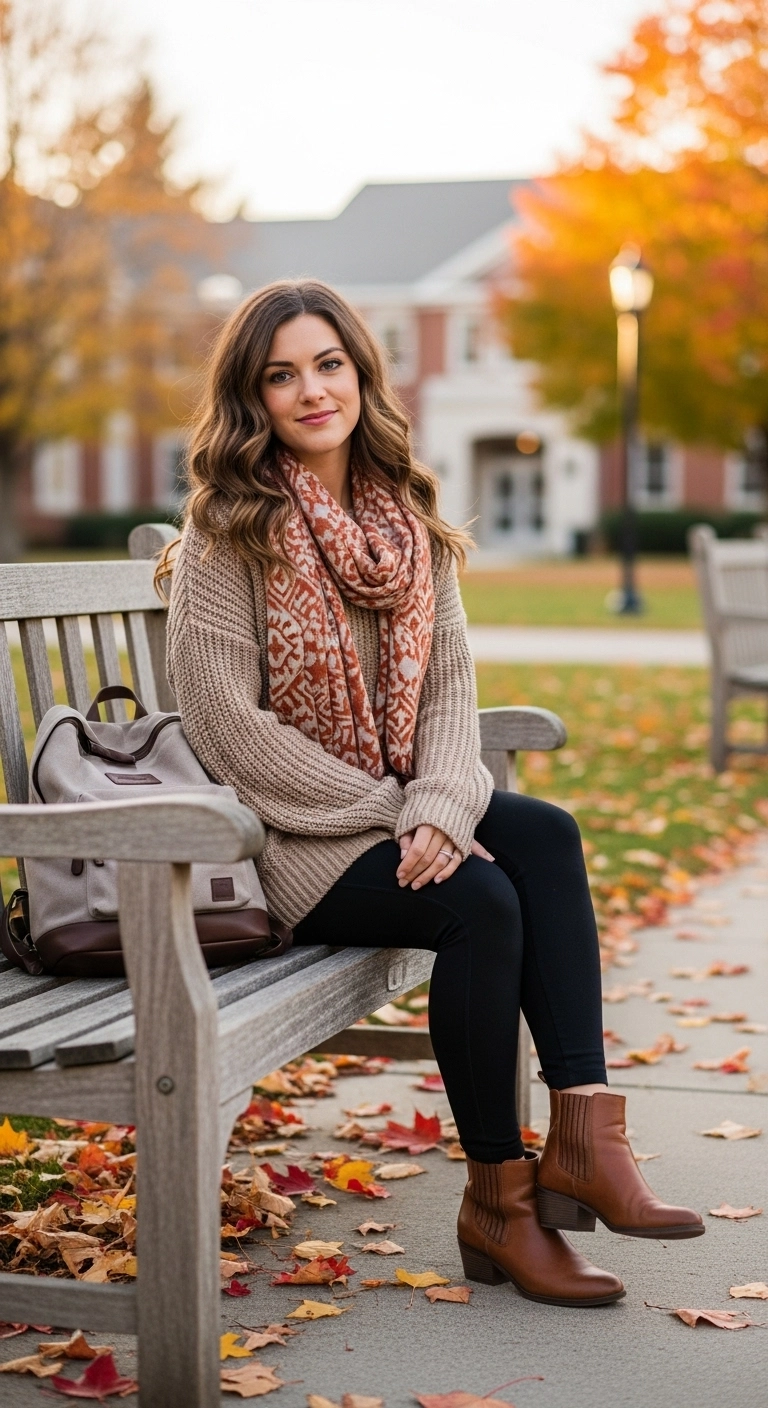
Cold or transitional seasons call for outfits that balance warmth and mobility. Sweaters, pullovers, and knit tops are ideal for layered looks. Pairing a slightly oversized sweater with leggings or straight-leg trousers creates a cozy aesthetic without feeling bulky.
Scarves, beanies, and practical boots can further personalize the outfit while providing comfort. Sweaters are also an opportunity to play with textures and subtle patterns, giving depth to a simple wardrobe. This style emphasizes comfort while maintaining a polished appearance for lectures or study groups.
7: Minimalist Monochrome Outfits
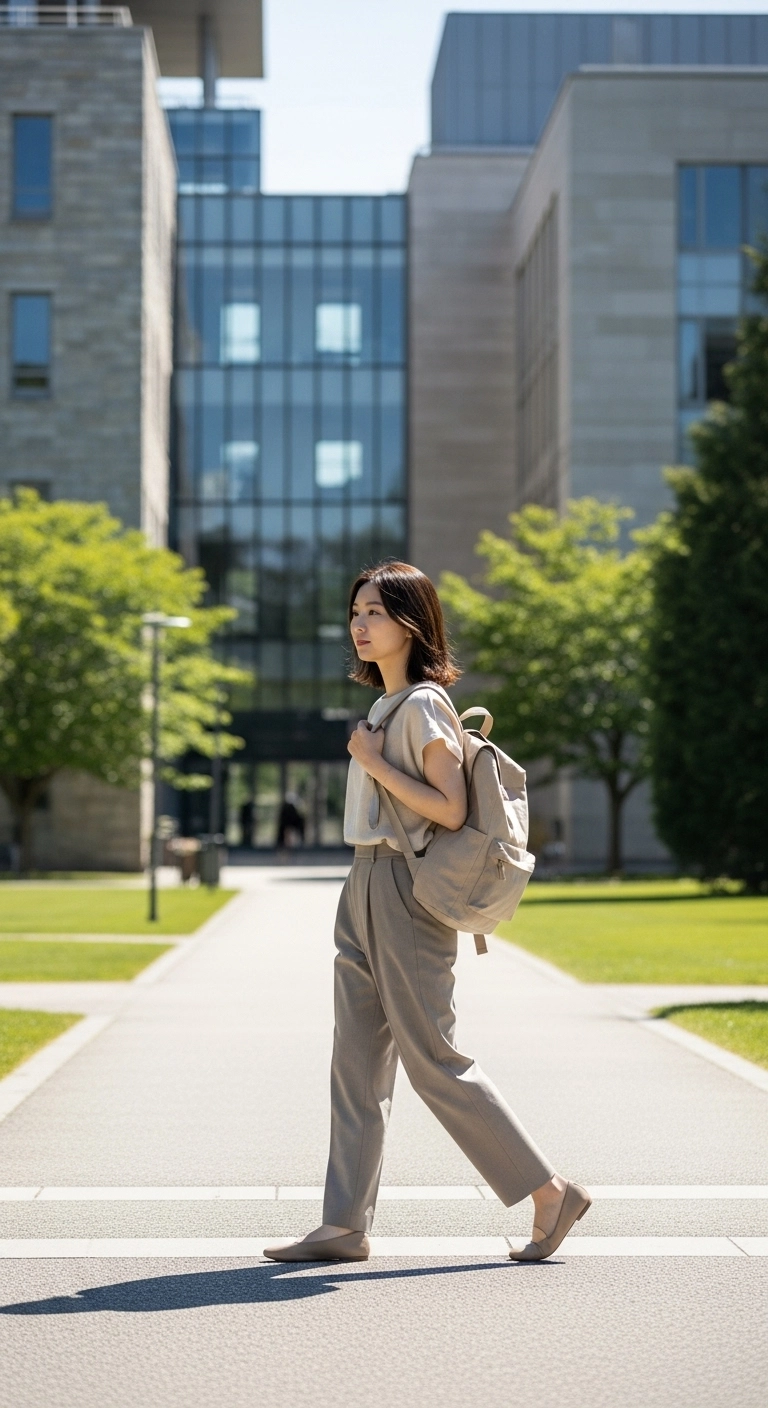
A monochrome approach simplifies decision-making while producing a cohesive and modern look. Wearing shades of the same color—from head to toe—creates a clean silhouette. For example, pairing beige trousers with a slightly lighter beige top and matching shoes keeps the outfit streamlined and effortless.
Monochrome outfits are ideal for students who want a refined aesthetic without relying on complex layering or accessories. They also make it easier to maintain a capsule wardrobe, maximizing outfit options with fewer pieces.
8: Functional Jackets and Outerwear
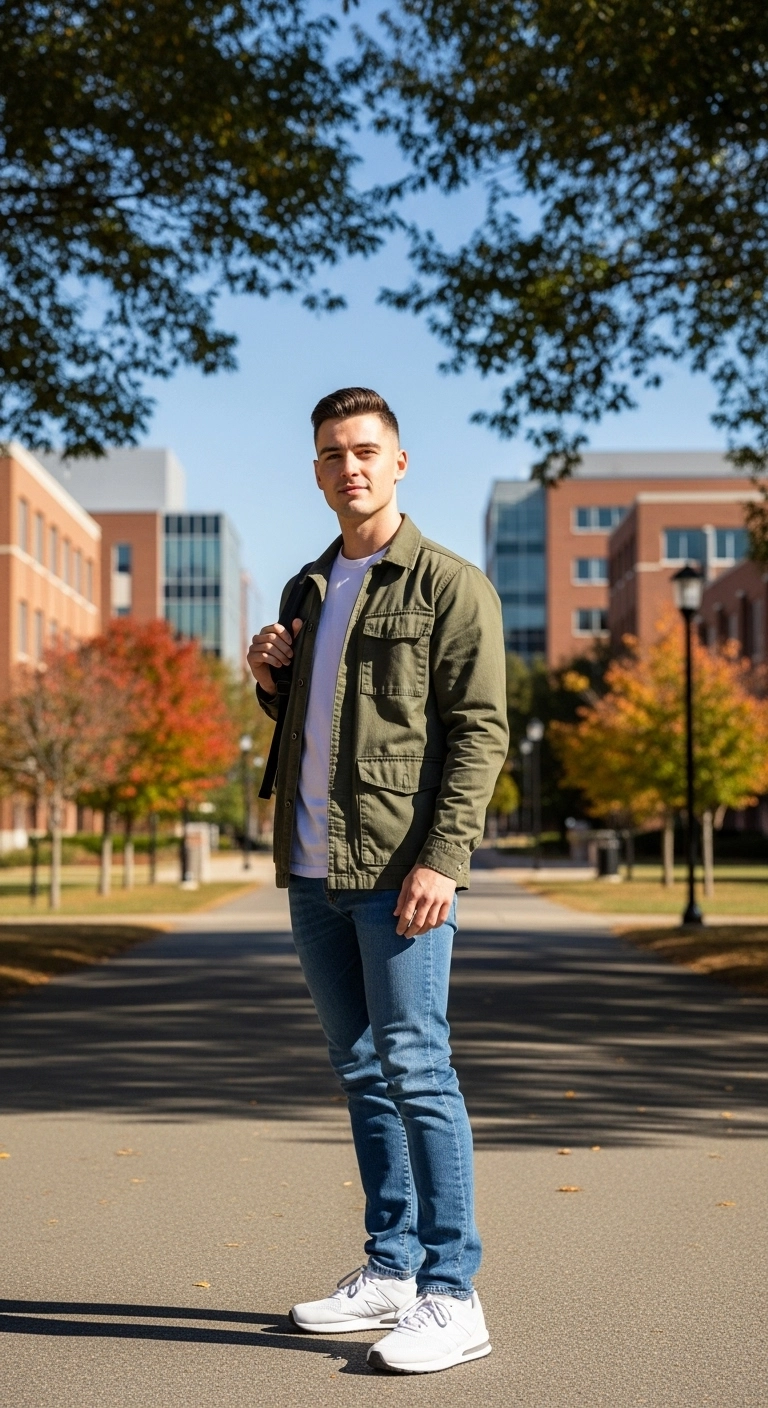
Outerwear isn’t just about warmth; it can define a college outfit. Utility jackets, denim jackets, and lightweight trench coats provide structure and complete a casual or semi-casual look. Pairing a jacket with jeans and a simple top ensures readiness for changing weather conditions without compromising comfort.
Layering with jackets also allows students to combine textures and colors, adding depth to everyday outfits. Choosing practical fabrics that are easy to clean and durable is essential for maintaining style throughout the semester.
9: Dresses for Easy Styling
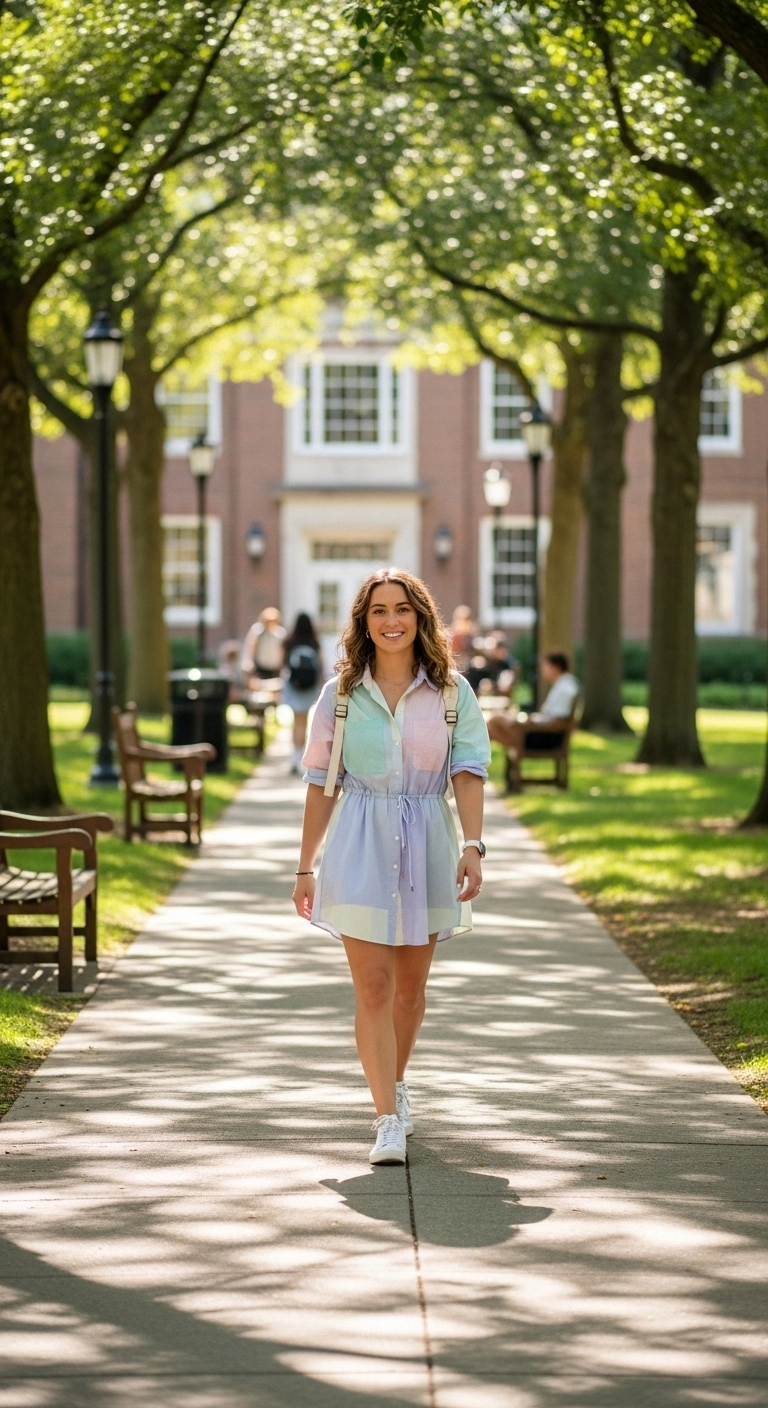
Dresses are ideal for days when simplicity is key. Casual shirt dresses or soft jersey dresses offer an all-in-one solution, allowing students to get dressed quickly while maintaining a put-together appearance. Pairing dresses with sneakers, ankle boots, or flats keeps them campus-friendly.
Adding layers like cardigans or denim jackets increases versatility for both indoor and outdoor environments. Dresses also provide opportunities to explore patterns, textures, and subtle accessories while staying comfortable during long hours on campus.
10: Statement Accessories to Elevate Outfits
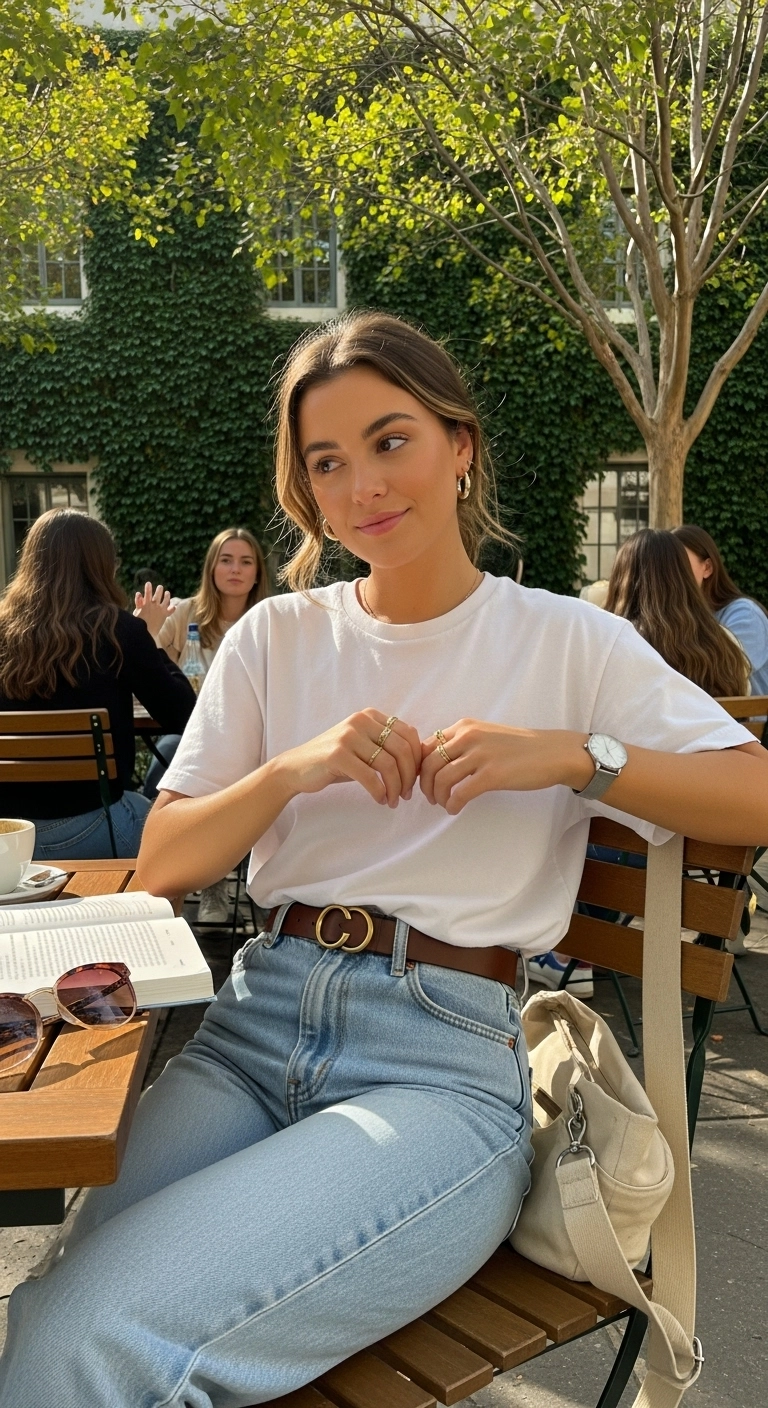
Even the simplest outfits can be elevated with the right accessories. Belts, watches, scarves, or minimal jewelry can change the tone of a basic jeans-and-tee combination into something more refined. Bags are both functional and stylish, with crossbody styles or backpacks being practical options.
Strategic accessorizing allows students to express personality without overcomplicating outfits. Accessories also help maintain a sense of individuality while adhering to campus norms and comfort requirements.
11: Layering Basics with Hoodies and Shirts
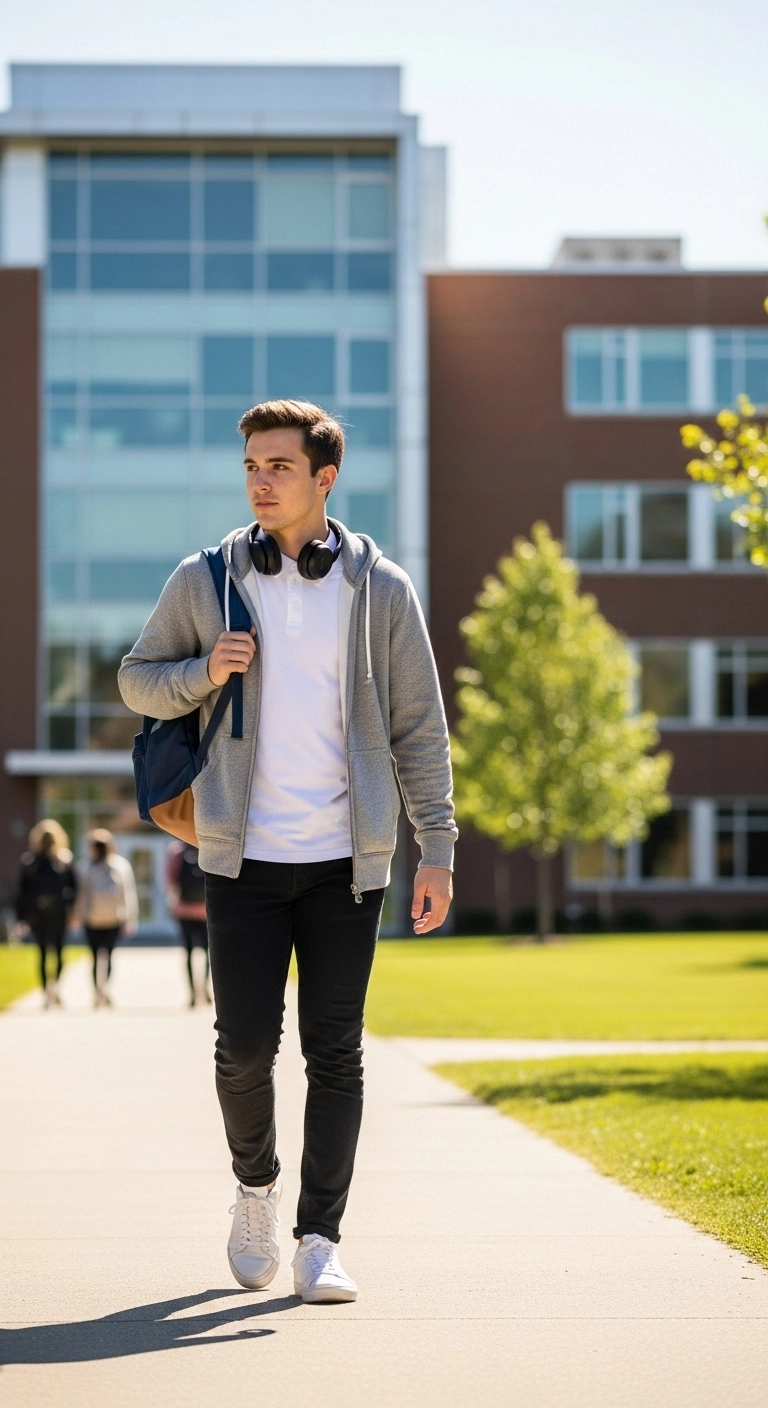
Layering remains a practical tool in college wardrobes. Combining hoodies with collared shirts underneath creates a casual yet slightly polished aesthetic. This style works particularly well for fluctuating classroom temperatures, allowing students to remove or add layers easily.
Choosing neutral tones or complementary colors ensures that the outfit remains versatile. Layering not only provides functionality but also encourages creativity in combining textures, lengths, and fits.
12: Footwear for All-Day Comfort
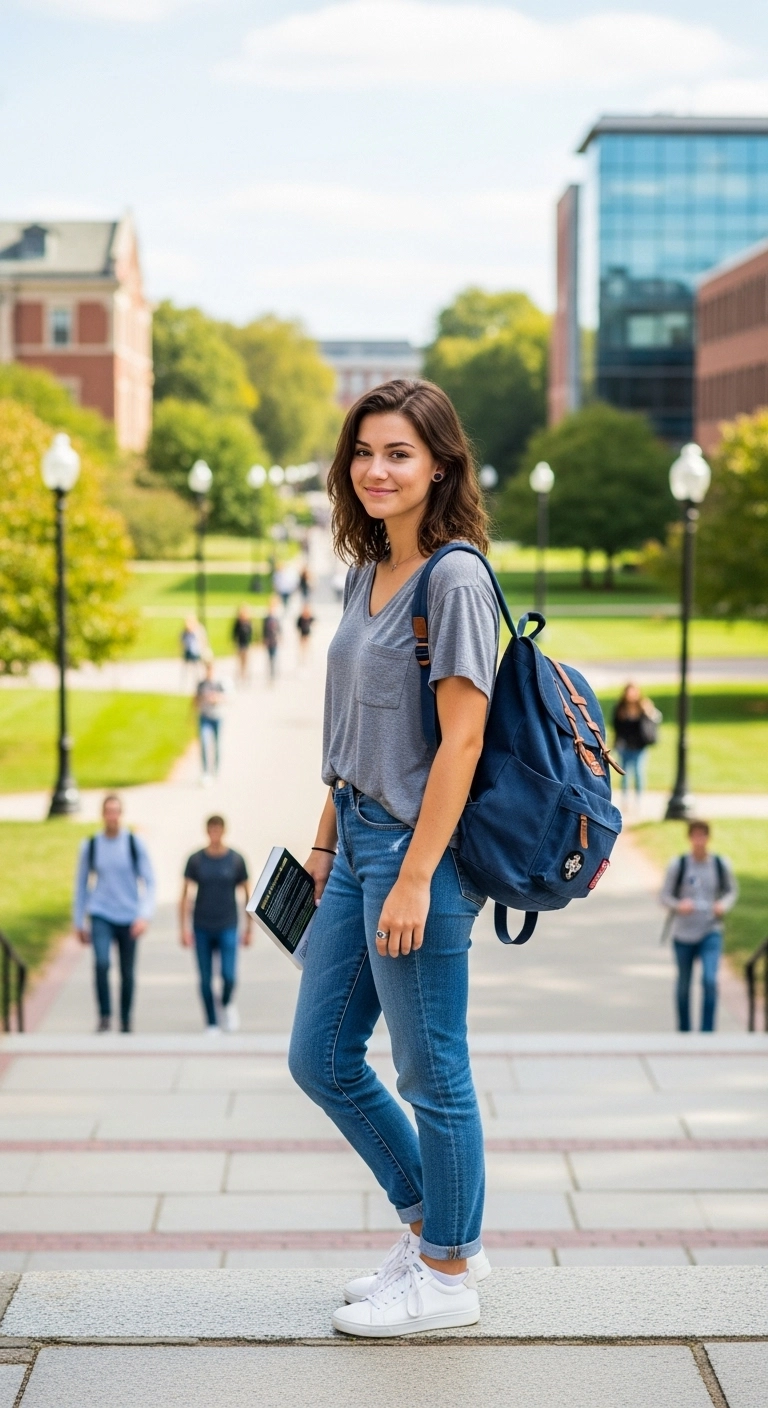
Choosing the right footwear is critical for college life. Sneakers, loafers, ankle boots, and flats are the most practical options for daily wear. The key is balancing comfort with style. Neutral colors allow shoes to pair seamlessly with multiple outfits, reducing the need for excessive footwear choices.
Footwear can also influence the overall tone of an outfit. For instance, clean white sneakers can make casual outfits look fresh, while ankle boots add a slightly more polished appearance. Understanding the impact of shoes on an outfit ensures students remain functional and stylish.
13: Mixing Casual and Formal Pieces
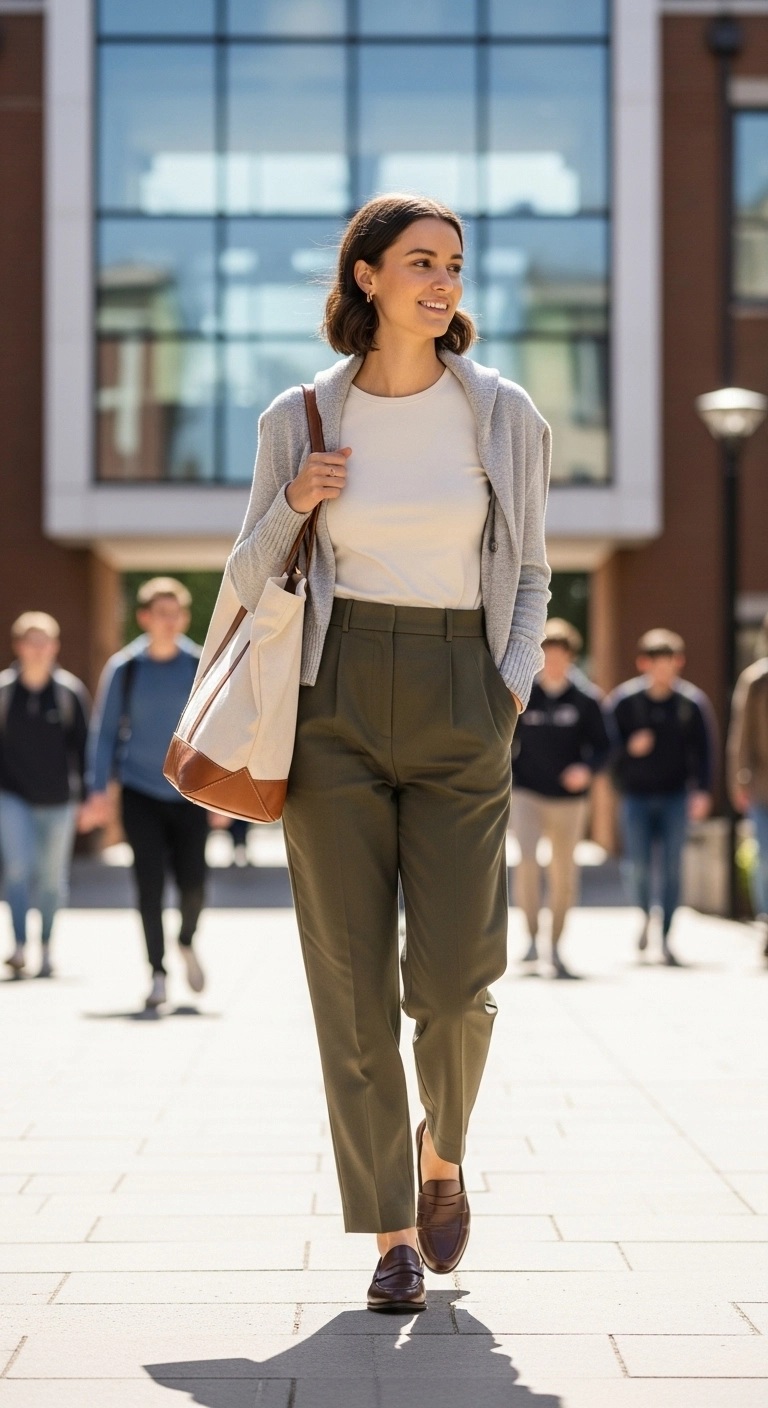
Combining casual and formal pieces allows students to navigate various campus settings. Pairing tailored trousers with casual t-shirts or hoodies creates a balanced aesthetic that can be worn to lectures, meetings, or casual gatherings.
This approach also encourages experimentation with textures and proportions. For instance, pairing structured pants with soft knitwear can create a dynamic yet approachable outfit. This style emphasizes versatility while ensuring students are ready for multiple scenarios in a day.
14: Seasonal Adaptations
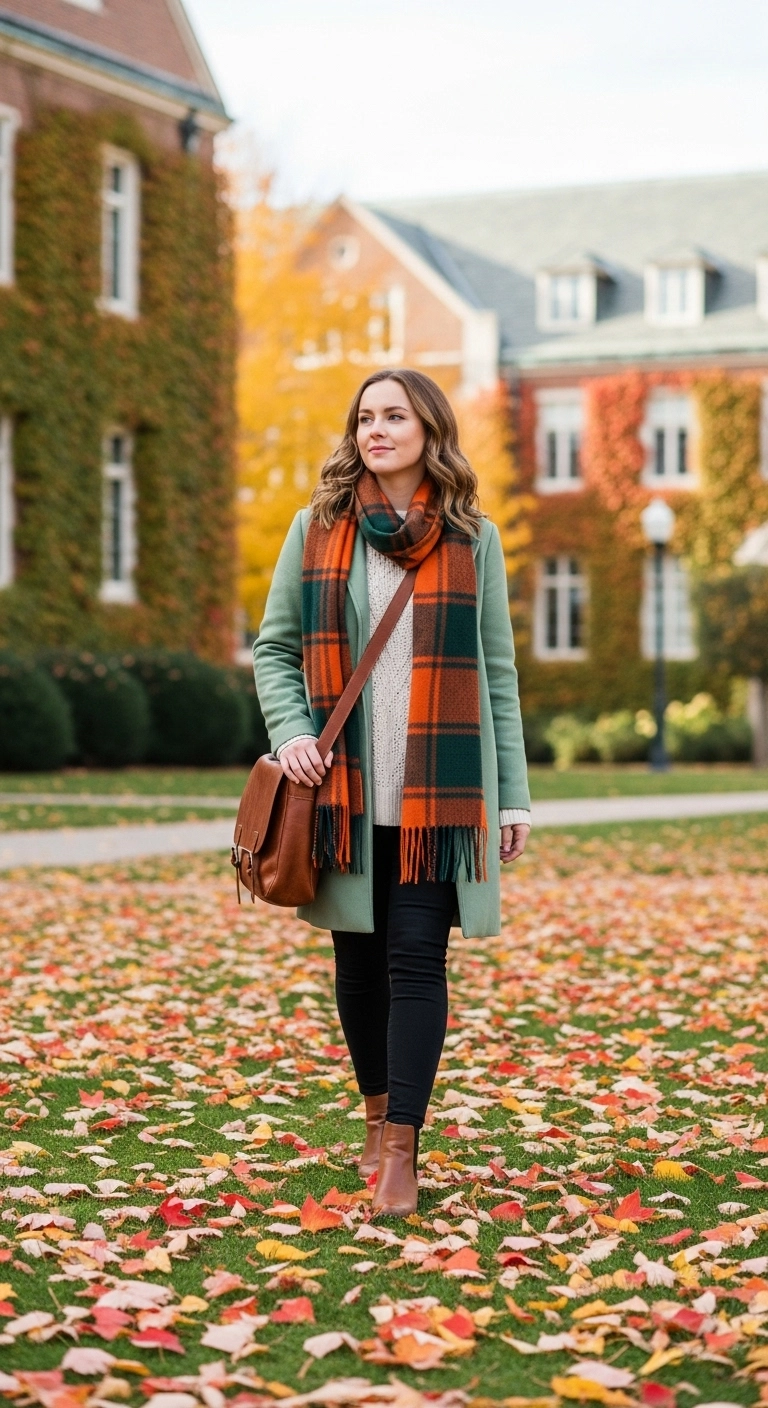
Adapting outfits to seasons is essential for comfort and practicality. In colder months, layering with sweaters, coats, and scarves ensures warmth without sacrificing mobility. Summer outfits favor lightweight fabrics, breathable materials, and shorter silhouettes.
Understanding seasonal needs helps students make better wardrobe choices while staying stylish year-round. Seasonal adaptation also encourages strategic planning, allowing for a versatile yet minimalistic wardrobe that covers all college requirements.
Conclusion
Choosing the right college outfits doesn’t have to be overwhelming. The key is balancing comfort, versatility, and personal expression. By combining practical pieces like jeans, sweaters, dresses, and functional footwear, students can create outfits suitable for a wide range of campus activities. Layering, accessories, and thoughtful color combinations enhance everyday looks without unnecessary complexity. These fourteen outfit ideas provide a foundation for a functional, stylish, and confident college wardrobe.
By prioritizing comfort, adapting to seasons, and mixing casual and formal elements, students can approach each day ready for both learning and self-expression. These strategies ensure that college fashion remains practical, manageable, and genuinely reflective of personal style.