
22 Best 70s Shag Haircut Long Hair Ideas
The 70s shag haircut on long hair is not about trends. It is about movement, balance, and freedom. After working with layered hair for over twenty years, I can say this style survives because it works for real people with real hair. A long shag gives shape without taking away length. It adds lift without heavy styling. It looks lived-in, not forced. That is why it keeps coming back.
The beauty of a long 70s shag is how the layers fall. Shorter pieces sit near the face. Longer layers flow down the back. The cut lets hair move when you walk, talk, or even sit still. It works with straight hair, wavy hair, and loose curls. You do not need perfect texture. In fact, the less perfect the hair, the better the shag looks.
This guide goes deep into what makes each shag style different. It explains who it works for and how it behaves in daily life. No fluff, no filler, just clear help so you can choose the right long 70s shag for your face and hair.
What Face Shape Do Shags Look Good On?
A shag haircut is one of the most face-friendly cuts ever made. The reason is layers. Layers can be moved, softened, or built up to balance almost any face shape. Long shags are especially flexible because the length gives room to shape the cut without making it feel heavy.
Round faces benefit from shags with longer front layers and soft bangs that break up fullness. Square faces look better with feathered edges and movement near the jaw. Long faces do well with fringe and volume at the sides. Heart-shaped faces balance out with curtain bangs and face-framing layers that soften the chin area.
The key is not copying a photo. It is adjusting the shag to your face. The styles below show how different shags solve different face shape needs while keeping that true 70s feel.
Strong Fringe
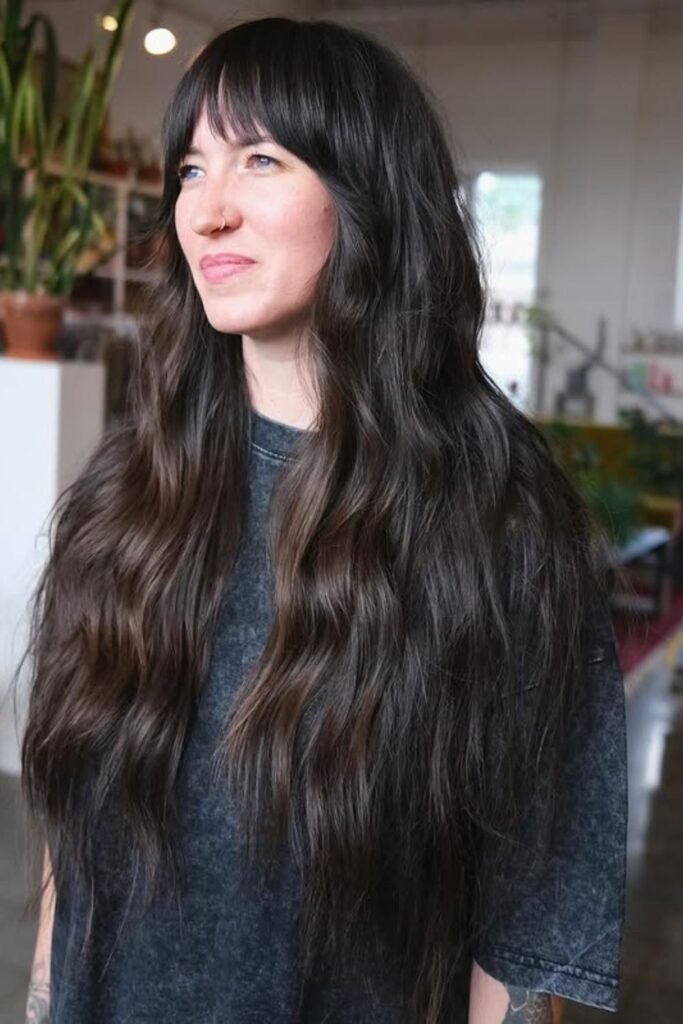
A strong fringe shag is bold and clear. The bangs sit straight and full across the forehead while long layers fall below. This style works best for long or oval faces because the fringe shortens the face visually. The strong bang also pulls attention to the eyes, which helps balance longer features.
On long hair, this shag keeps weight through the ends so the cut does not look thin. The layers start higher near the crown, creating lift without teasing. This is a good option if your hair is straight or slightly wavy and you want structure without stiffness.
Soft Shag Waves
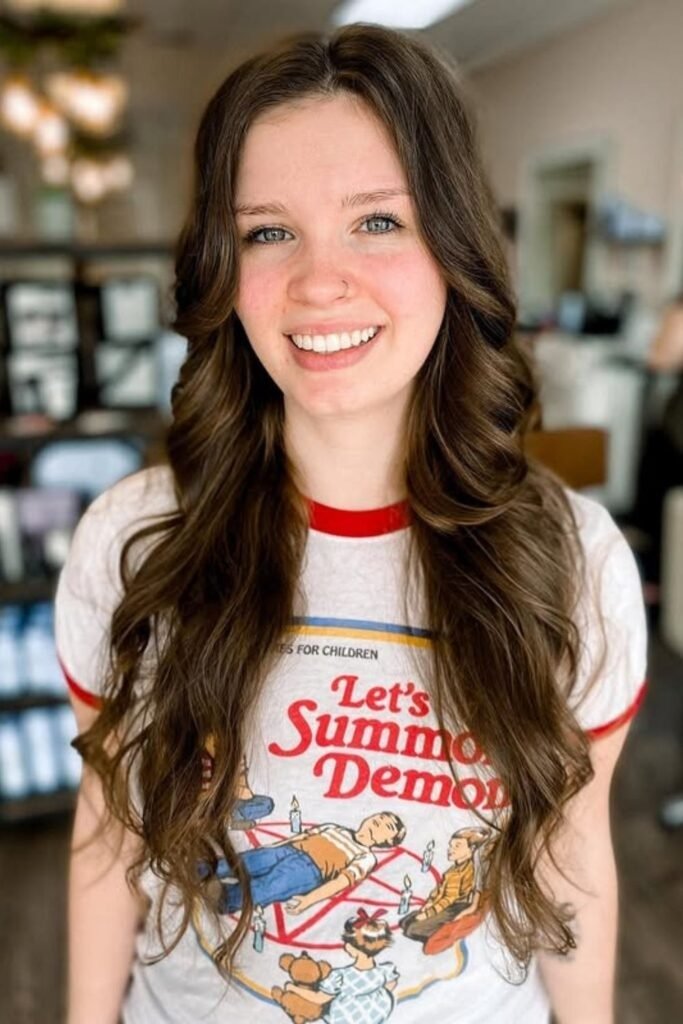
Soft shag waves are for people who want movement without drama. The layers are blended gently, and the waves look loose and natural. This style suits round and square faces because the softness removes harsh lines.
Long hair benefits from this cut because it keeps the length full while adding lightness through the middle. The waves do not need heat styling. They often look best when air-dried, making this a practical everyday haircut.
Pink Rocker Shag
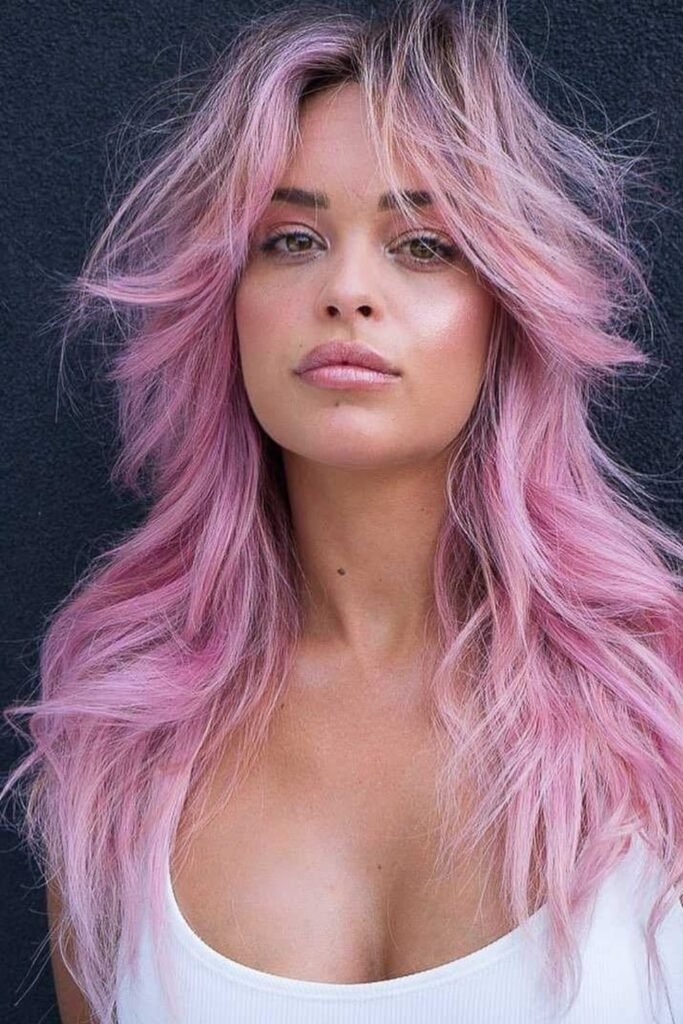
The pink rocker shag is about attitude, not just color. The cut has sharp layers around the face and heavier ends down the back. The color adds edge, but the shape is what makes it work.
This style suits oval and heart-shaped faces because the bold front layers draw focus upward. On long hair, it keeps the rocker feel without losing flow. Even without pink color, the cut itself carries that strong 70s rock energy.
Ginger Baby Shag
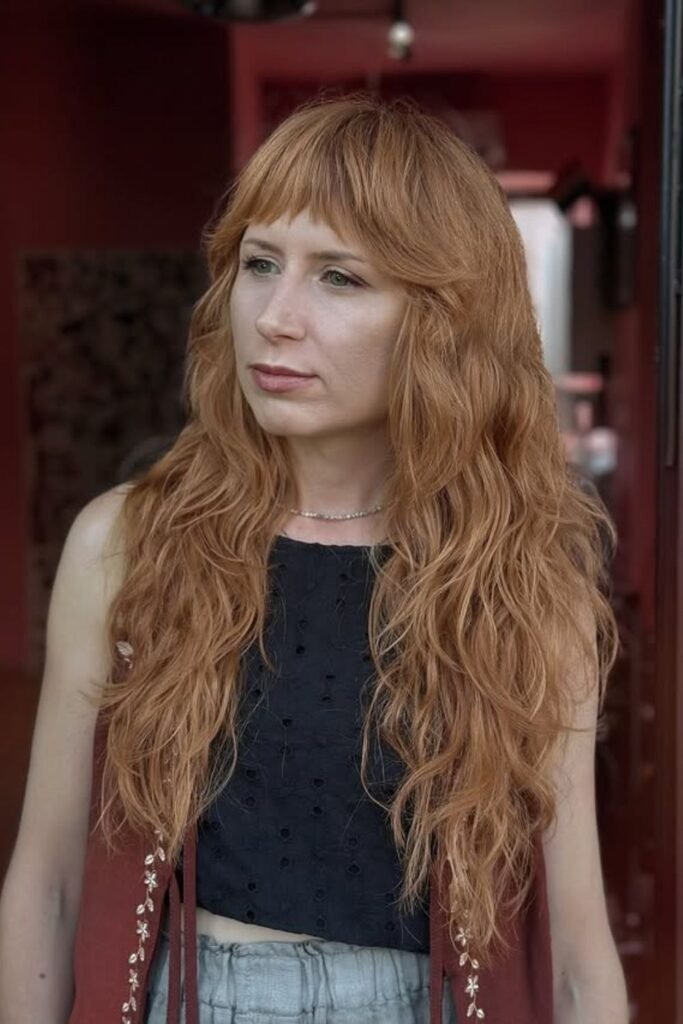
The ginger baby shag is soft, warm, and playful. The layers are shorter around the face but light, never choppy. This makes it ideal for smaller faces or people who want a gentle look.
Long hair stays smooth through the ends, which helps avoid a messy feel. This shag works well on fine hair because it adds lift without thinning the length too much.
Wavy Fringe Shag
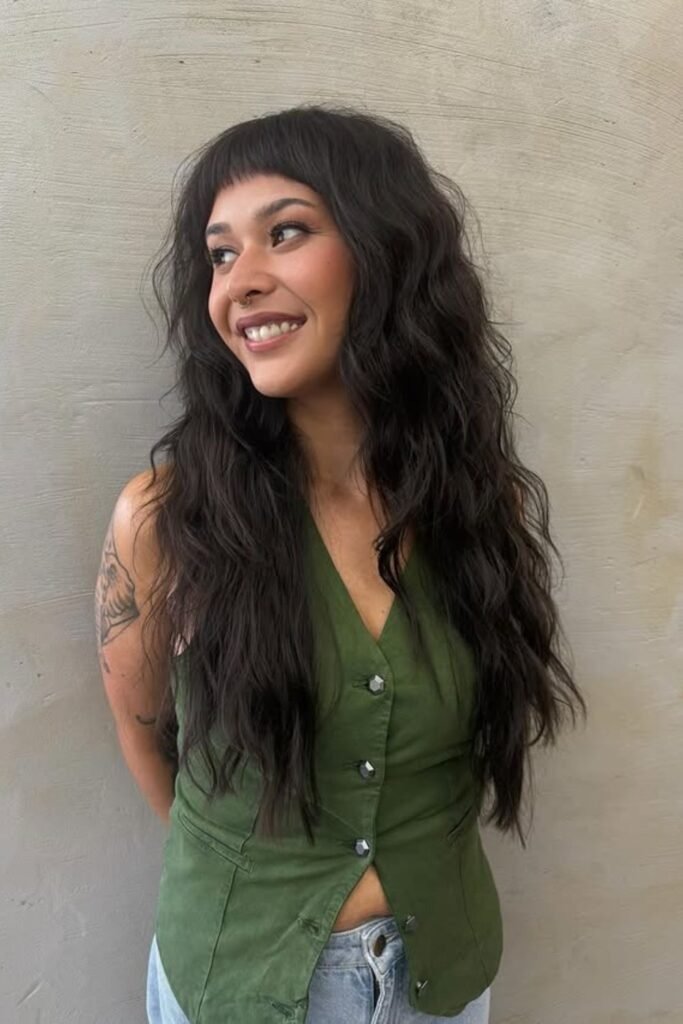
A wavy fringe shag blends bangs into waves instead of cutting them blunt. The fringe bends and moves with the rest of the hair, which makes the style easy to wear.
This shag suits most face shapes, especially square and heart faces. On long hair, it keeps everything connected so the cut grows out well and stays balanced for months.
Soft Fringe Shag
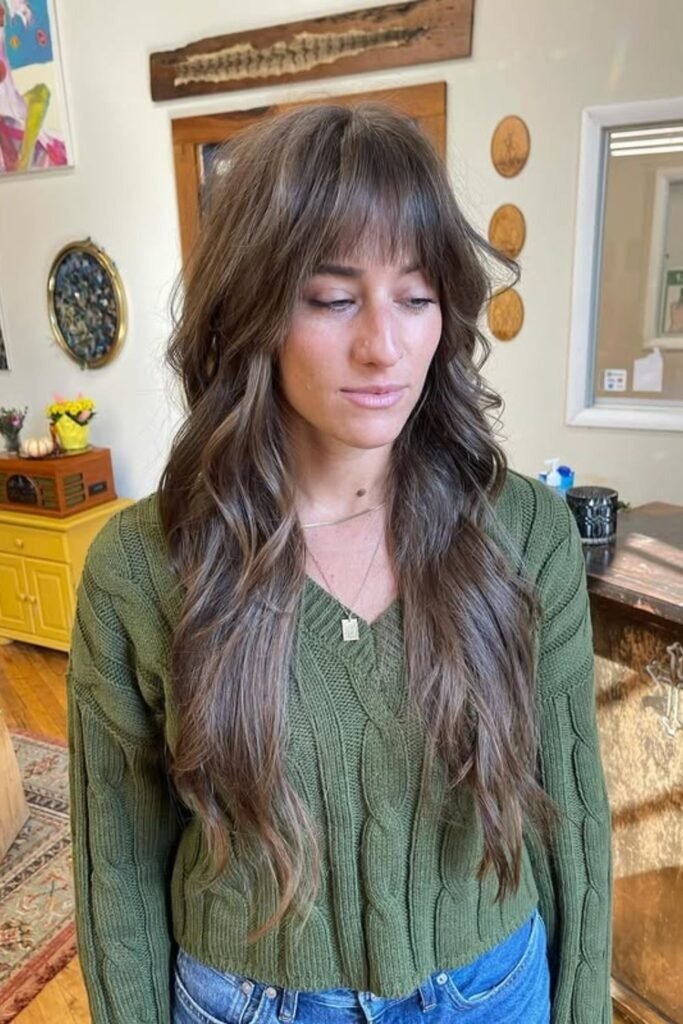
The soft fringe shag has bangs, but they are light and airy. They sit just above the eyes and blend into long face-framing layers. This style is great for people who want bangs without commitment.
It works well on long hair because it does not overpower the length. The softness keeps the style flexible and low pressure for daily wear.
Classic Curtain Shag
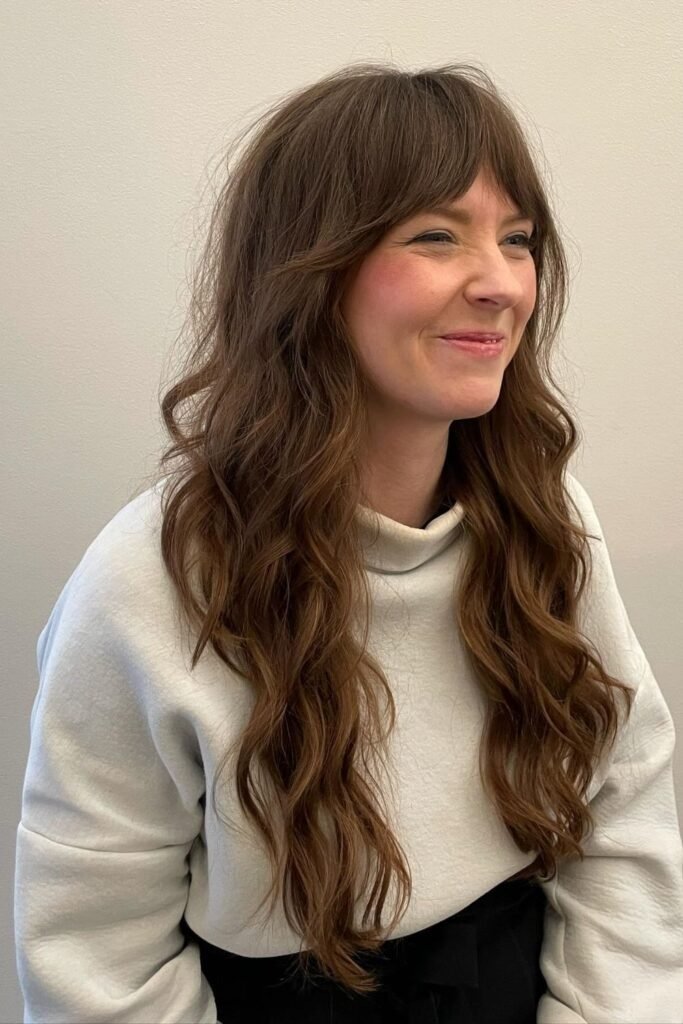
The classic curtain shag is one of the most requested 70s styles. The bangs part in the middle and fall to each side of the face. Long layers flow naturally behind them.
This cut flatters almost every face shape. It balances round faces and softens strong jaws. On long hair, it keeps volume at the crown while letting the ends stay full and natural.
Blunt Bang Shag
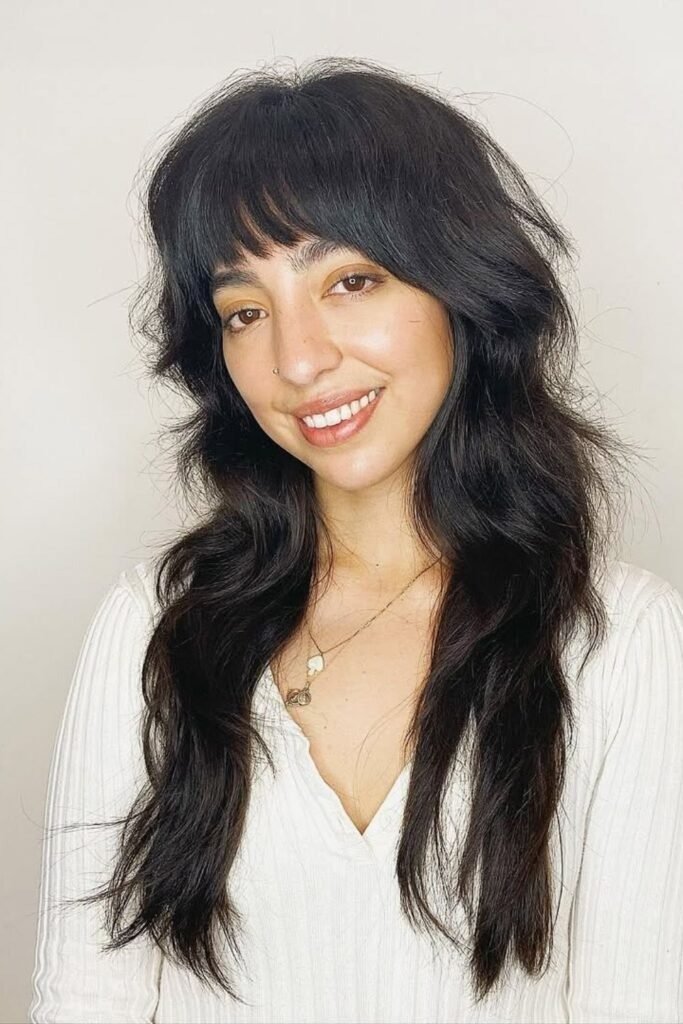
A blunt bang shag mixes sharp bangs with messy layers. The contrast is what makes it interesting. The bangs are straight and clear, while the rest of the hair moves freely.
This style works best for oval and long faces. On long hair, it keeps the look modern while still holding onto that 70s spirit.
Feathered Curtain Shag
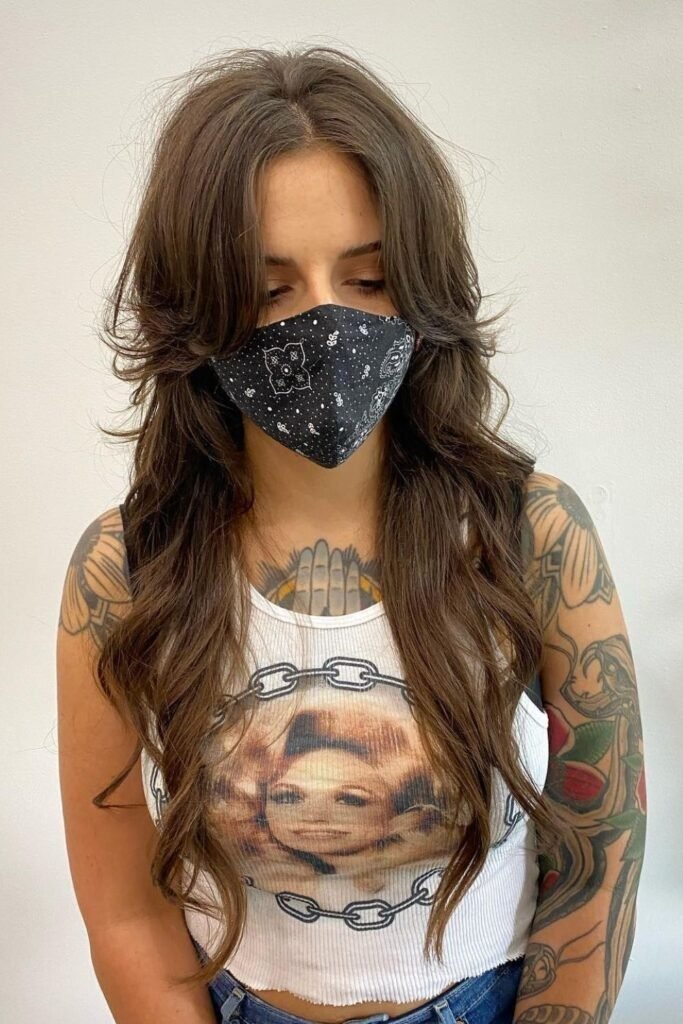
Feathered curtain shags use light layers that fan out from the face. The movement is soft and flowing, never stiff.
This style suits fine to medium hair. On long hair, it prevents flatness and gives the illusion of thickness without heavy styling.
Black Razor Shag
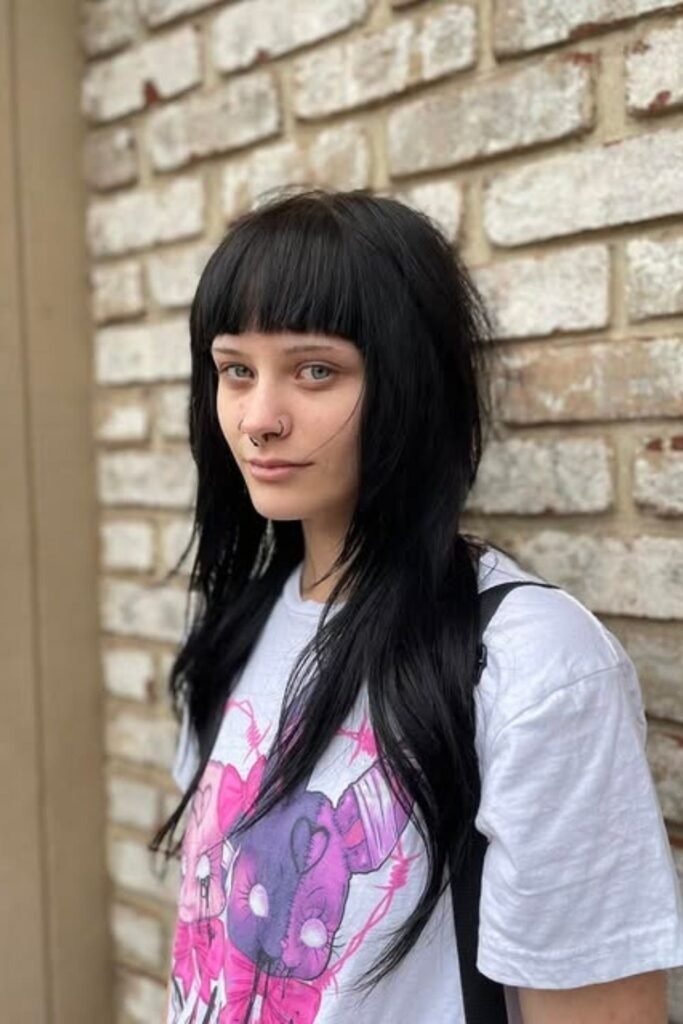
A black razor shag uses razor-cut layers for texture. The ends look light and edgy instead of blunt.
This style works well on thick hair. On long lengths, the razor removes bulk while keeping shape. It suits oval and square faces best.
70s Volume Shag
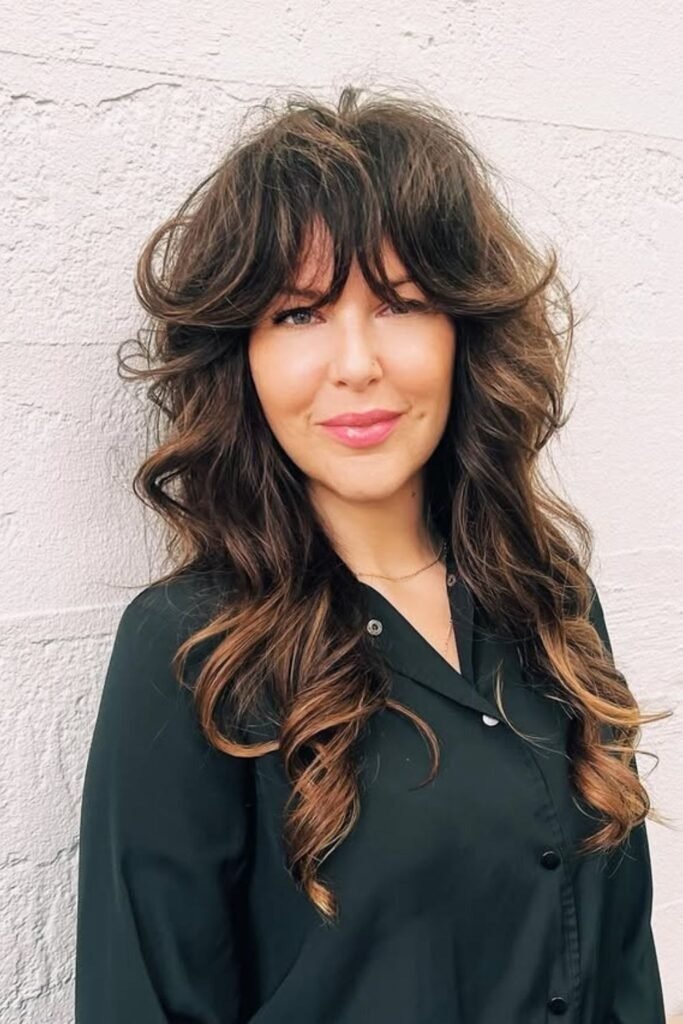
The 70s volume shag focuses on lift at the crown. The layers are stacked to create height, while the length stays long and full.
This cut is perfect for flat hair. It helps round and long faces by adding width and balance where needed.
Long Rock Shag
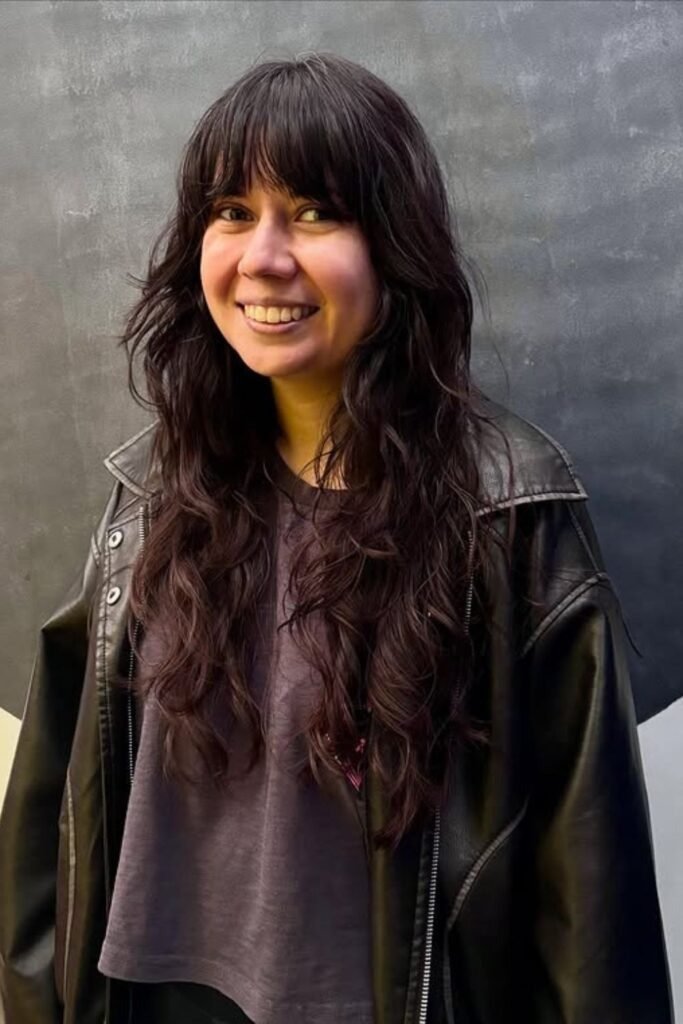
The long rock shag is inspired by classic musicians. The layers are uneven, and the shape feels wild but controlled.
This style suits confident wearers who like texture. On long hair, it keeps energy without losing the iconic length.
Grown Bang Shag
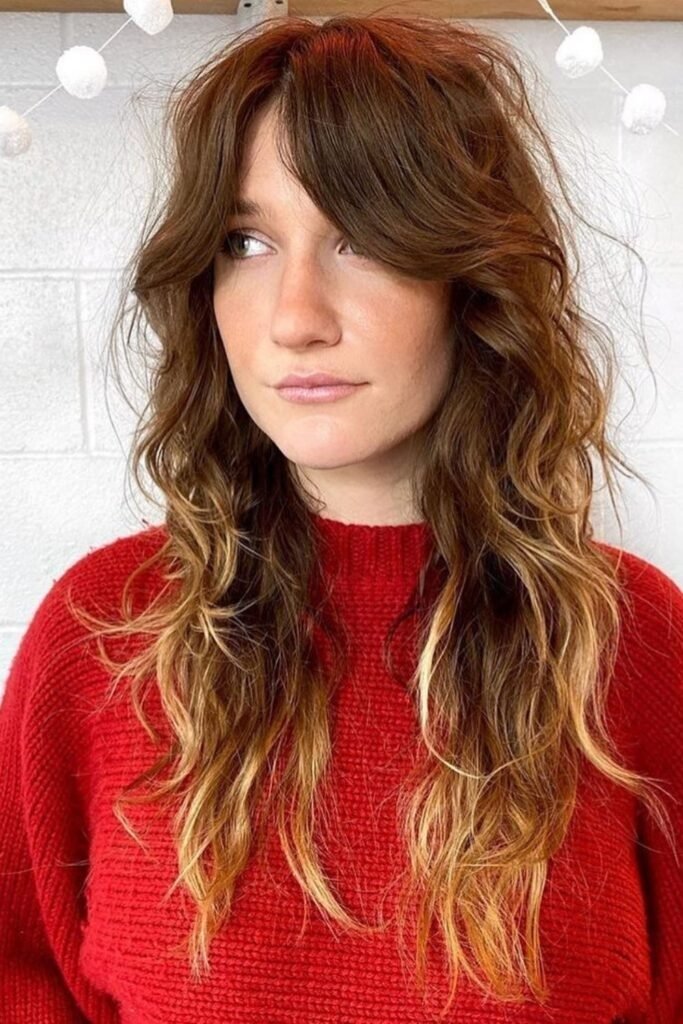
A grown bang shag has bangs that sit at cheek level instead of the forehead. They frame the face without covering it.
This style works well for people growing out bangs. On long hair, it keeps everything soft and blended.
Long Layer Shag
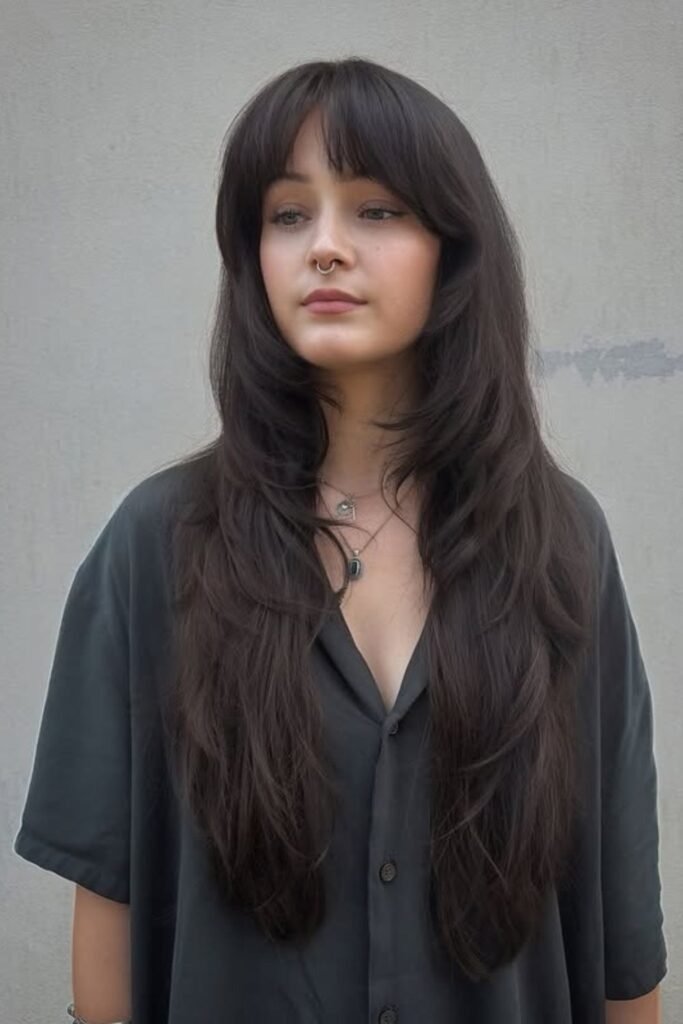
The long layer shag focuses on length first, layers second. The layers are long and gradual.
This is ideal for people who want a shag feel without a big change. It suits all face shapes and grows out beautifully.
Deep Wave
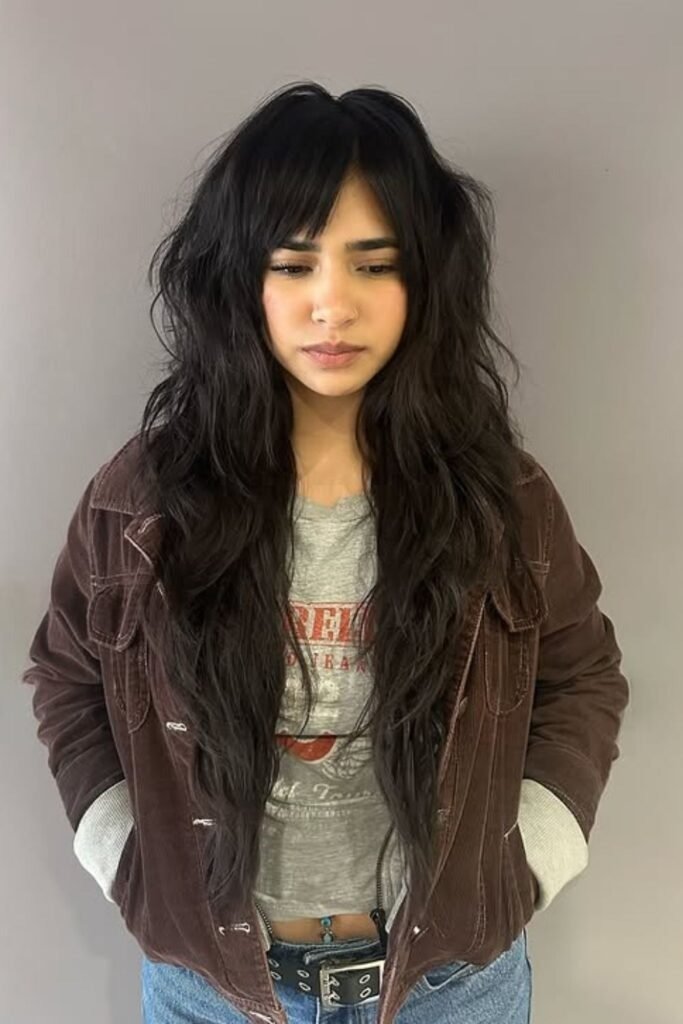
A deep wave shag works with strong natural waves. The layers support the wave pattern instead of fighting it.
This style suits round and square faces. On long hair, it keeps waves defined and full.
Frame-Safe Shag
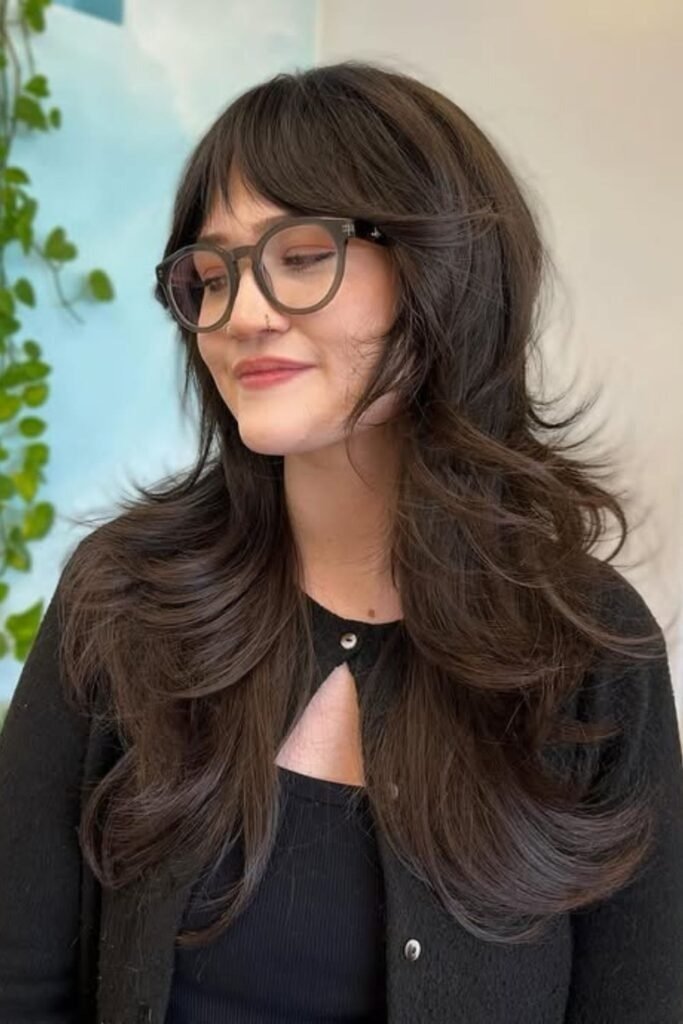
A frame-safe shag keeps layers away from the face. The front stays longer and softer.
This cut is good for people who do not like hair touching their face. It suits long and heart-shaped faces.
Wave Fringe Shag
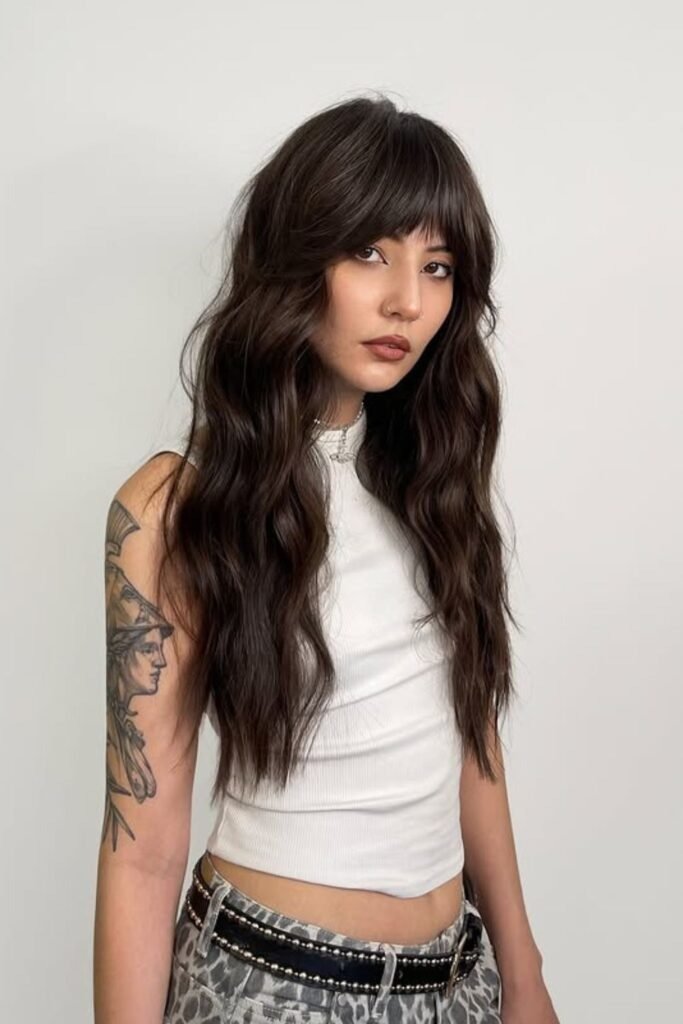
The wave fringe shag has bangs that curve with natural waves. The fringe is part of the texture, not separate.
This style suits wavy hair types best. On long hair, it feels relaxed and natural.
Face-Frame Shag
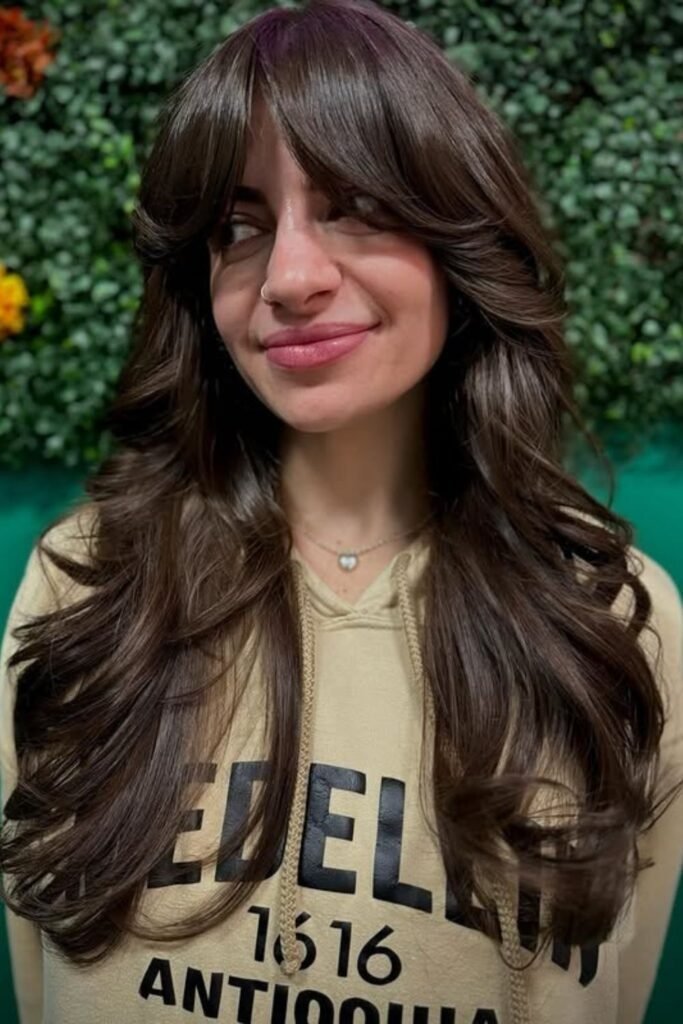
A face-frame shag uses layers to outline the face clearly. The shape draws attention to cheekbones and jawlines.
This style suits most face shapes. On long hair, it gives structure without stiffness.
Micro Bang Shag
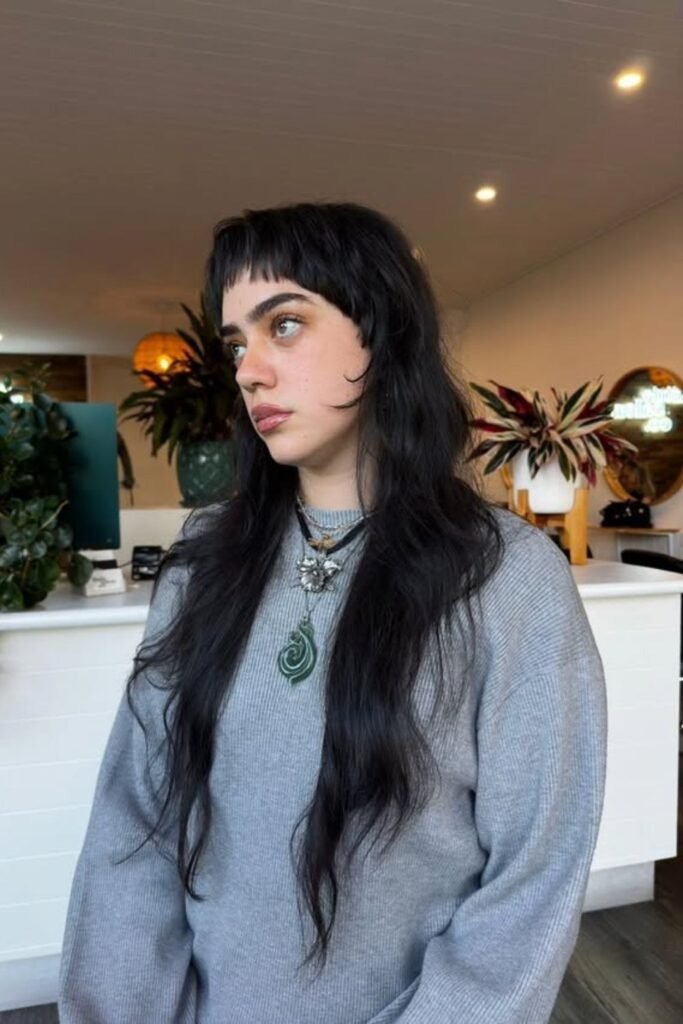
The micro bang shag has very short bangs paired with long layers. It is bold but balanced.
This style works best for oval faces. On long hair, the contrast creates a strong visual impact.
Air-Dry Shag
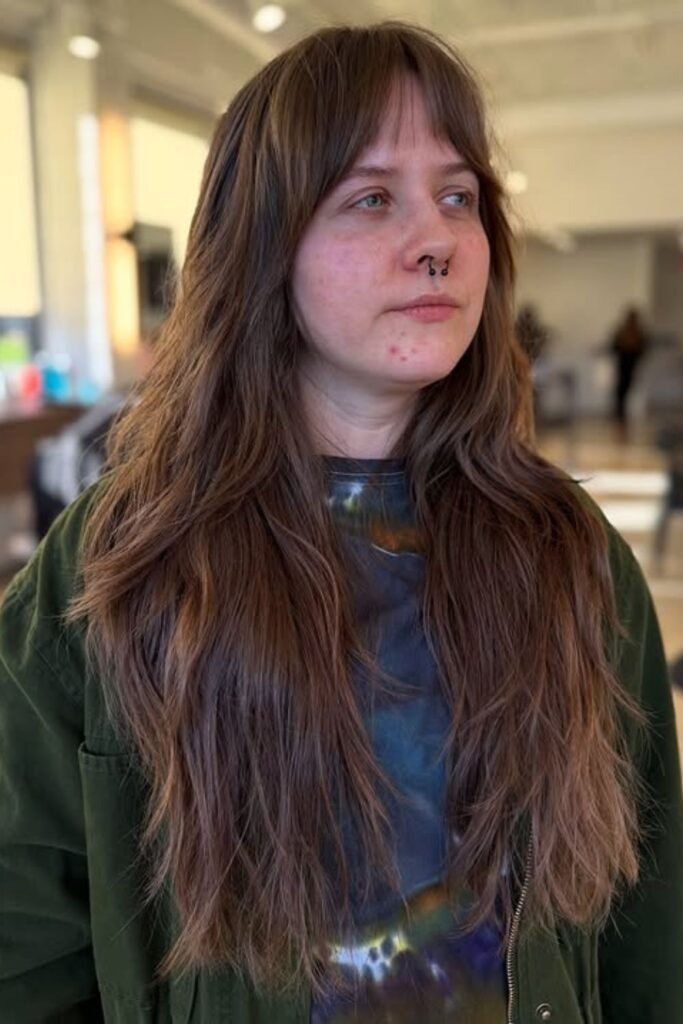
The air-dry shag is cut to look good without heat. The layers fall naturally into place.
This style suits busy lifestyles. On long hair, it saves time while still looking styled.
Swept Shag
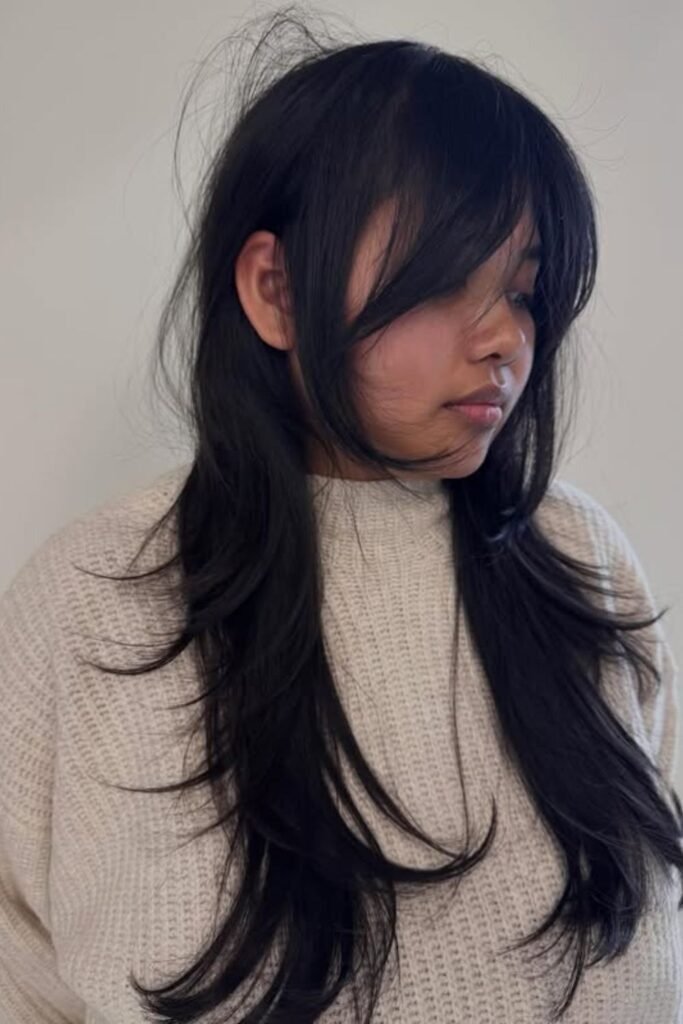
A swept shag has layers that move to one side. The look feels casual and easy.
This style suits asymmetrical face shapes. On long hair, it adds motion without effort.
Face-Frame Shag
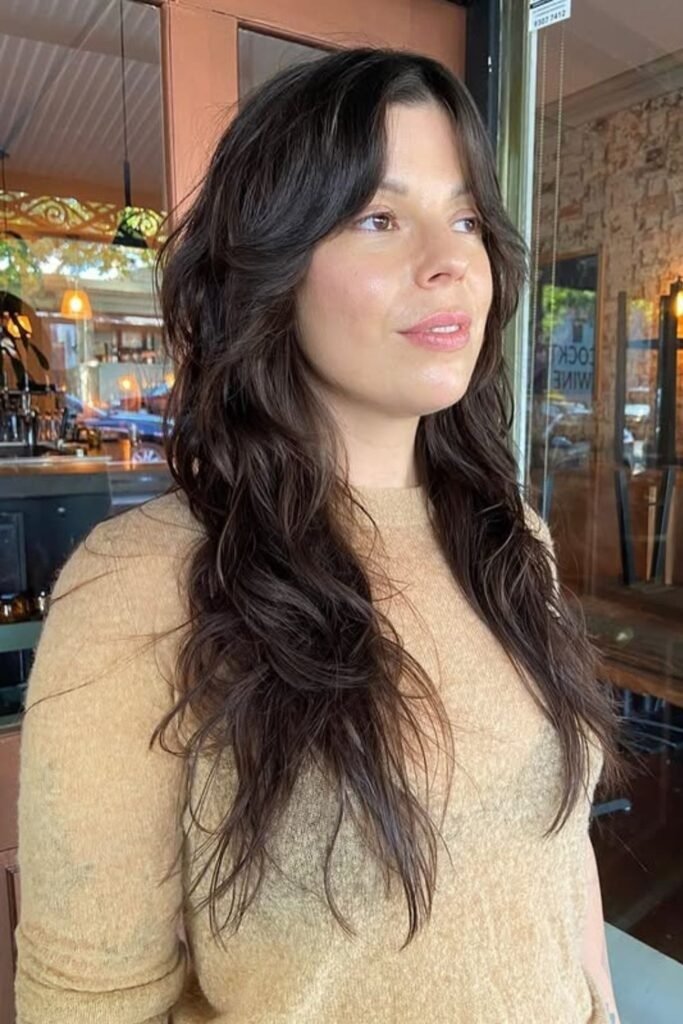
This version of the face-frame shag focuses more on softness than shape. The layers are longer and gentler around the face.
It works well for mature hair and finer textures. On long hair, it keeps the look youthful and light.
FAQs
Is a 70s shag high maintenance on long hair?
A 70s shag on long hair is not high maintenance if it is cut correctly. The layers are meant to fall into place naturally. Most people only need a trim every three to four months. Styling is simple, often just air-drying or light shaping with fingers.
Can I get a 70s shag without cutting bangs?
Yes, a 70s shag can be done without bangs. Face-framing layers can replace fringe and still give the shag shape. This option works well for people who want movement but prefer an open forehead look.
A long 70s shag is not about chasing trends. It is about choosing a cut that moves with you and grows with you. When done right, it feels effortless, natural, and timeless.